<?xml version="1.0" encoding="UTF-8"?><feed xmlns="http://www.w3.org/2005/Atom" xmlns:dc="http://purl.org/dc/elements/1.1/">
                                        <id>https://www.greenspringboard.com/blog</id>
                                            <link rel="self" href="https://www.greenspringboard.com/blog"></link>
                                <title><![CDATA[Blog]]></title>
                                                                                                                <updated>2025-06-22T13:43:25+00:00</updated>
                        
            <entry>
            <title><![CDATA[Why Gardening Matters for Children]]></title>
            <link rel="alternate" href="https://www.greenspringboard.com/blog/kids-and-gardening/why-gardening-matters-for-children" />
            <id>https://www.greenspringboard.com/blog/kids-and-gardening/why-gardening-matters-for-children</id>
            <author>
                <name><![CDATA[Pippa Capel]]></name>
                                    <email><![CDATA[info@greenspringboard.com]]></email>
                            </author>
            <summary type="html">
                <![CDATA[<p data-start="67" data-end="476">A recent survey by the British Nutrition Foundation revealed just how much confusion there is around healthy eating among children. Nearly a quarter of primary school kids believe chicken counts toward their five-a-day, and almost one in five think cheese does too. While this might sound surprising, it highlights a wider issue: many children today are disconnected from where their food actually comes from.</p>
<p data-start="67" data-end="476"> </p>
<p data-start="478" data-end="777">In a world filled with ready meals, processed snacks, and busy schedules, it’s easy to lose sight of the origins of the food on our plates. Many families are generations removed from growing their own vegetables, and this gap is reflected in children’s understanding of nutrition and healthy eating.</p>
<p data-start="478" data-end="777"> </p>
<p data-start="779" data-end="1114">Teaching kids how food grows and where it comes from can make a real difference. When children see how a seed becomes a tomato or a carrot, they’re more likely to try fresh fruits and vegetables and make healthier eating choices. Even growing a few plants on a windowsill or balcony can help connect them with nature and teach responsibility.</p>
<p data-start="779" data-end="1114"> </p>
<p data-start="1116" data-end="1336">There’s also a practical benefit in the process of growing your own food. Watching a seed sprout and waiting for the first vegetables to grow helps children develop patience and an understanding of where food comes from.</p>
<p data-start="1116" data-end="1336"> </p>
<p data-start="1338" data-end="1603">Beyond nutrition, gardening can support mental wellbeing. In today’s screen-heavy environment, many children face anxiety and overstimulation. Spending time caring for plants encourages mindfulness and calm, providing a break from screens and a chance to slow down. Growing your own veg can be a great family hobby and a way to help children understand healthy eating, connect with nature and reduce anxiety.</p>]]>
            </summary>
                            <link rel="enclosure" href="https://static.subbly.me/fs/subbly/userFiles/green-springboard-ltd-64bd02dc0a928/images/a-15-elodie-watering-17506014427121.png" length="431115" type="image/png" />
                        <category term="Kids and gardening" />
            <updated>2025-06-22T13:43:25+00:00</updated>
                            <dc:description><![CDATA[Why Gardening Matters for Children]]></dc:description>
                    </entry>
            <entry>
            <title><![CDATA[Rethinking Reindeer Treats: Eco-Friendly Alternatives for Father Christmas&#039;s Reindeer]]></title>
            <link rel="alternate" href="https://www.greenspringboard.com/blog/sustainability/rethinking-reindeer-treats-eco-friendly-alternatives-for-father-christmass-reindeer-1" />
            <id>https://www.greenspringboard.com/blog/sustainability/rethinking-reindeer-treats-eco-friendly-alternatives-for-father-christmass-reindeer-1</id>
            <author>
                <name><![CDATA[Pippa Capel]]></name>
                                    <email><![CDATA[info@greenspringboard.com]]></email>
                            </author>
            <summary type="html">
                <![CDATA[<p>In recent years, leaving out oats mixed with glitter as a treat for Father Christmas's reindeer has become a popular tradition. However, this seemingly harmless practice has negative environmental impacts. Glitter, often made from plastic, can harm wildlife and ecosystems, taking hundreds of years to break down and accumulating toxins.</p>
<p> </p>
<p>Instead, why not grow some eco-friendly treats for the reindeer? Microgreens are an excellent option, as they are easy and quick for kids to help grow indoors much safer for kids to leave out for the reindeer. Plus, they are a tasty addition to soups and sandwiches!</p>
<p> </p>
<p>You can find our Penguin and Bear kit <a href="https://www.greenspringboard.com/shop/grow-your-own-reindeer-food-bear-and-penguin-kit">here</a> and our Reindeer kit <a href="https://www.greenspringboard.com/shop/grow-your-own-reindeer-food-reindeer-and-christmas-tree-kit">here</a>. </p>
<p> </p>
<p>Why not start a new, sustainable tradition, you'll contribute to a healthier planet and inspire future generations to make eco-friendly choices. This may be the next step towards learning to grow vegetables, a valuable life skill!</p>]]>
            </summary>
                            <link rel="enclosure" href="https://static.subbly.me/fs/subbly/userFiles/green-springboard-ltd-64bd02dc0a928/images/a-14-glitter-2png-17315335361332.png" length="768725" type="image/png" />
                        <category term="Sustainability" />
            <updated>2024-11-13T21:20:31+00:00</updated>
                            <dc:description><![CDATA[In recent years, leaving out oats mixed with glitter as a treat for Father Christmas&#039;s reindeer has become a popular tradition. However, this seemingly harmless practice has negative environmental impacts.]]></dc:description>
                    </entry>
            <entry>
            <title><![CDATA[Is Coir REALLY better than peat?]]></title>
            <link rel="alternate" href="https://www.greenspringboard.com/blog/sustainability/is-coir-really-better-than-peat-1" />
            <id>https://www.greenspringboard.com/blog/sustainability/is-coir-really-better-than-peat-1</id>
            <author>
                <name><![CDATA[Pippa Capel]]></name>
                                    <email><![CDATA[info@greenspringboard.com]]></email>
                            </author>
            <summary type="html">
                <![CDATA[<p>Coir, derived from coconut trees, is an incredibly valuable and sustainable resource. A single hectare of coconut trees yields 9,000 coconuts, providing 5 tonnes of nutritious coconut meat, 6 tonnes of coir, and 3.5 tonnes of coconut shells.Harvested every 45 days on average, coir is a renewable resource. Coconut trees also contribute to carbon sequestration during their lifespan and after being repurposed for housebuilding. Moreover, they improve soil quality by increasing carbon in their root zones, effectively removing CO2 from the atmosphere.</p>
<p> </p>
<p>While the production process of coir has raised concerns about its environmental impact, many coir manufacturers addresses this issue by implementing a wastewater treatment system. This ensures that coir production remains sustainable and environmentally friendly.Utilizing coir in products such as compost prevents waste and supports the recycling of valuable materials from commercial coconut harvesting.</p>
<p> </p>
<p>Although transporting coir generates carbon emissions, it remains a more sustainable option than peat. With only 11% water content compared to peat's 60%, coir minimizes emissions associated with shipping water over long distances. Preserving peatlands is crucial for maintaining their role as natural carbon sinks. Digging up peatlands for commercial use contributes to global emissions, making it essential to adopt sustainable alternatives like coir. As coir lasts longer, performs better, and is a by-product of food production, it presents a superior, environmentally friendly choice for gardeners and the planet. </p>]]>
            </summary>
                            <link rel="enclosure" href="https://static.subbly.me/fs/subbly/userFiles/green-springboard-ltd-64bd02dc0a928/images/a-12-coir-block-17152528281618.png" length="296460" type="image/png" />
                        <category term="Sustainability" />
            <updated>2024-11-05T18:18:15+00:00</updated>
                    </entry>
            <entry>
            <title><![CDATA[How to grow dwarf french beans]]></title>
            <link rel="alternate" href="https://www.greenspringboard.com/blog/how-to-grow/how-to-grow-dwarf-french-beans-1" />
            <id>https://www.greenspringboard.com/blog/how-to-grow/how-to-grow-dwarf-french-beans-1</id>
            <author>
                <name><![CDATA[Pippa Capel]]></name>
                                    <email><![CDATA[info@greenspringboard.com]]></email>
                            </author>
            <summary type="html">
                <![CDATA[<p style="line-height: 1.6;"><span style="font-family: 'Open Sans';"><strong>YOU WILL NEED:</strong></span></p>
<p style="line-height: 1.6;"> </p>
<p style="line-height: 1.6;"><span style="font-family: 'Open Sans';">Beans (we like dwarf French bean purple queen)</span></p>
<p style="line-height: 1.6;"><span style="font-family: 'Open Sans';">2 x small pots (10cm diameter)</span></p>
<p style="line-height: 1.6;"><span style="font-family: 'Open Sans';">1 x large pot (at least 25cm diameter)</span></p>
<p style="line-height: 1.6;"><span style="font-family: 'Open Sans';">10 Litres peat free compost</span></p>
<p style="line-height: 1.6;"><span style="font-family: 'Open Sans';">Some organic fertiliser</span></p>
<p style="line-height: 1.6;"> </p>
<p style="line-height: 1.6;"><span style="font-family: 'Open Sans';"><strong>STEPS:</strong></span></p>
<ol style="line-height: 1.6;">
<li style="line-height: 1.9;"><span style="font-family: 'Open Sans';">Cover  seeds in warm water in a small bowl and allow to soak for 12 hours.</span></li>
<li style="line-height: 1.9;"><span style="font-family: 'Open Sans';">Fill 2 small 10cm pots with compost.</span></li>
<li style="line-height: 1.9;"><span style="font-family: 'Open Sans';">Sow 2 seeds in each pot, each 5cm deep into the compost - simply make a hole with a pencil or similar and insert the beans. </span></li>
<li style="line-height: 1.9;"><span style="font-family: 'Open Sans';">Water well. Place pots on a sunny windowsill. </span></li>
<li style="line-height: 1.9;"><span style="font-family: 'Open Sans';">Keep compost damp but not soaking wet.</span></li>
<li style="line-height: 1.9;"><span style="font-family: 'Open Sans';">Once seedlings have sprouted and are about 8cm (3 inches) tall, transplant the strongest seedlings into a large pot. (One large pot will be fine for 3-4 seedlings). Water well.  </span></li>
<li style="line-height: 1.9;"><span style="font-family: 'Open Sans';">Remove any weeds that may grow and check daily for slugs or pests, removing any you find.</span></li>
<li style="line-height: 1.9;"><span style="font-family: 'Open Sans';">If your plants grow tall, add in a couple of small sticks &amp; loosely tie the plant to the stick with string/twine.</span></li>
<li style="line-height: 1.9;"><span style="font-family: 'Open Sans';">Small flowers will form (the colour will depend on the variety of bean). DO NOT REMOVE!</span></li>
<li style="line-height: 1.9;"><span style="font-family: 'Open Sans';">Your beans will develop from the purple flowers and you should fertilise the plant as it grows according to the instructions on your fertilsier.</span></li>
<li style="line-height: 1.9;"><span style="font-family: 'Open Sans';">HARVEST- (July to October). Pick beans when they are approx. 10-12cm long. Try to pick before you can see the bean shape inside the pod to get the best, most tender beans.</span></li>
</ol>
<p style="line-height: 1.6;"><span style="font-family: 'Open Sans';">If you're excited to start growing, our eco-friendly <a href="https://www.subbly.co/checkout/buy/291694">Get Me Growing Monthly Subscription Kits</a> are delivered to your door every month and contain a new type of veg or herb to grow, including a step by step guide, some compost to get the plant growing and some fertiliser. The seeds we send are specifically chosen to be ideal to grow in pots in small spaces. </span></p>
<p style="line-height: 1.6;"> </p>
<p style="line-height: 1.6;"><span style="font-family: 'Open Sans';">If you're keen to learn more about growing your own veg, join our new <a href="https://www.facebook.com/groups/greenspringboardgrowingclub">Growing Club</a> on Facebook to ask questions and chat with other new gardeners!  </span></p>
<p style="line-height: 1.3;"> </p>]]>
            </summary>
                            <link rel="enclosure" href="https://static.subbly.me/fs/subbly/userFiles/green-springboard-ltd-64bd02dc0a928/images/a-10-dwarf-purple-bean-17190020995144.png" length="290013" type="image/png" />
                        <category term="How to grow...." />
            <updated>2024-06-21T20:27:42+00:00</updated>
                    </entry>
            <entry>
            <title><![CDATA[What&#039;s so bad about black plastic plant pots?]]></title>
            <link rel="alternate" href="https://www.greenspringboard.com/blog/sustainability/whats-so-bad-about-black-plastic-plant-pots" />
            <id>https://www.greenspringboard.com/blog/sustainability/whats-so-bad-about-black-plastic-plant-pots</id>
            <author>
                <name><![CDATA[Pippa Capel]]></name>
                                    <email><![CDATA[info@greenspringboard.com]]></email>
                            </author>
            <summary type="html">
                <![CDATA[<p>In the past few years, many of us have become increasingly aware of the plastic pollution crisis, thanks to documentaries like The Blue Planet and Drowning In Plastic. These programmes have brought our attention to the catastrophic effects of plastic waste, especially in our oceans. </p>
<p> </p>
<p>The gardening industry contributes significantly to this problem. Cheap and commonly used black plastic plant pots pose a particular challenge, as their colour makes them invisible to automatic sorting machines at recycling plants.</p>
<p>In fact, a study by Horticulture Week revealed that up to half a billion plastic plant pots end up in landfills or incineration plants each year. Once in landfill black plastic pots, dyed with carbon inks that are difficult to break down, can take around 450 years to biodegrade in landfills.</p>
<p> </p>
<p>If you’re looking to be as eco-friendly as possible and avoid contributing to the plastic pollution crisis you can adopt more sustainable gardening practices, such as reusing pots, composting, and opting for eco-friendly alternatives to plastic.  There are an increasing number of alternatives to black plastic pots including biodegradable ones made form coconut husk, rice husk and bamboo. You can even start your seeds off in old loo roll. </p>]]>
            </summary>
                            <link rel="enclosure" href="https://static.subbly.me/fs/subbly/userFiles/green-springboard-ltd-64bd02dc0a928/images/a-8-black-plastic-flwoer-pots-17084490254505.png" length="1424330" type="image/png" />
                        <category term="Sustainability" />
            <updated>2024-02-20T11:58:13+00:00</updated>
                    </entry>
            <entry>
            <title><![CDATA[Gardening Jargon explained]]></title>
            <link rel="alternate" href="https://www.greenspringboard.com/blog/gardening-jargon/gardening-jargon-explained" />
            <id>https://www.greenspringboard.com/blog/gardening-jargon/gardening-jargon-explained</id>
            <author>
                <name><![CDATA[Pippa Capel]]></name>
                                    <email><![CDATA[info@greenspringboard.com]]></email>
                            </author>
            <summary type="html">
                <![CDATA[<p><span class="" data-projection-id="681">Growing </span><span class="" data-projection-id="682">your </span><span class="" data-projection-id="683">own </span><span class="" data-projection-id="684">vegetables </span><span class="" data-projection-id="685">and </span><span class="" data-projection-id="686">herbs </span><span class="" data-projection-id="687">can </span><span class="" data-projection-id="688">be </span><span class="" data-projection-id="689">a </span><span class="" data-projection-id="690">rewarding </span><span class="" data-projection-id="691">and </span><span class="" data-projection-id="692">delicious </span><span class="" data-projection-id="693">experience, </span><span class="" data-projection-id="694">but </span><span class="" data-projection-id="695">it </span><span class="" data-projection-id="696">can </span><span class="" data-projection-id="697">also </span><span class="" data-projection-id="698">be </span><span class="" data-projection-id="699">overwhelming </span><span class="" data-projection-id="700">for </span><span class="" data-projection-id="701">beginners. </span><span class="" data-projection-id="702">With </span><span class="" data-projection-id="703">so </span><span class="" data-projection-id="704">many </span><span class="" data-projection-id="705">specialized </span><span class="" data-projection-id="706">terms </span><span class="" data-projection-id="707">and </span><span class="" data-projection-id="708">phrases, </span><span class="" data-projection-id="709">it's </span><span class="" data-projection-id="710">easy </span><span class="" data-projection-id="711">to </span><span class="" data-projection-id="712">feel </span><span class="" data-projection-id="713">lost </span><span class="" data-projection-id="714">in </span><span class="" data-projection-id="715">a </span><span class="" data-projection-id="716">sea </span><span class="" data-projection-id="717">of </span><span class="" data-projection-id="718">gardening </span><span class="" data-projection-id="719">jargon. </span><span class="" data-projection-id="720">To </span><span class="" data-projection-id="721">help </span><span class="" data-projection-id="722">you </span><span class="" data-projection-id="723">understand </span><span class="" data-projection-id="724">the </span><span class="" data-projection-id="725">basics </span><span class="" data-projection-id="726">and </span><span class="" data-projection-id="727">feel </span><span class="" data-projection-id="728">more </span><span class="" data-projection-id="729">confident </span><span class="" data-projection-id="730">in </span><span class="" data-projection-id="731">your </span><span class="" data-projection-id="732">gardening </span><span class="" data-projection-id="733">endeavors, </span><span class="" data-projection-id="734">we've </span><span class="" data-projection-id="735">compiled </span><span class="" data-projection-id="736">a </span><span class="" data-projection-id="737">list </span><span class="" data-projection-id="738">of </span><span class="" data-projection-id="739">common </span><span class="" data-projection-id="740">terms </span><span class="" data-projection-id="741">related </span><span class="" data-projection-id="742">to </span><span class="" data-projection-id="743">growing </span><span class="" data-projection-id="744">vegetables </span><span class="" data-projection-id="745">and </span><span class="" data-projection-id="746">herbs, </span><span class="" data-projection-id="747">along </span><span class="" data-projection-id="748">with </span><span class="" data-projection-id="749">their </span><span class="" data-projection-id="750">definitions.</span></p>
<p> </p>
<p><strong>Companion planting:</strong> Growing different plants together to benefit each other, such as deterring pests or attracting pollinators.</p>
<p> </p>
<p><strong>Hardening off: </strong><span class="OYPEnA text-decoration-none text-strikethrough-none">This is a 'toughening up' process. Plants raised indoors need to be get used to cooler temperatures, lower humidity and wind</span> <span class="OYPEnA text-decoration-none text-strikethrough-none">for 1-3 weeks before they are planted outdoors.</span> </p>
<p> </p>
<p><strong>Harvest: </strong>To pick or collect mature vegetables and herbs for consumption.</p>
<p> </p>
<p><strong>Potting on</strong>: <span class="OYPEnA text-decoration-none text-strikethrough-none">This is where you move a young plant from a smaller pot into a bigger pot. This is usually needed for plants that grow very quickly (like courgettes and tomatoes)</span> </p>
<p> </p>
<p><strong>Pollination: </strong><span class="OYPEnA text-decoration-none text-strikethrough-none">Many plants, including courgettes &amp; tomatoes need pollinating for the flower to set (form) into a fruit. Tomatoes are generally wind-pollinated &amp; ‘tapping’ the flowers will help the fruit form. <span class="OYPEnA text-decoration-none text-strikethrough-none">Courgettes need bees &amp; other pollinating insects to transfer pollen from the male to the female flowers. You can help more fruits set by using a little paintbrush to transfer pollen between the flowers (read more about this in our Blog post <a href="/{{pageId:16}}">here</a>). </span></span></p>
<p> </p>
<p><strong>Seed germination: </strong>The process of a seed sprouting and growing into a seedling.</p>
<p> </p>
<p><strong>Seedling: </strong>A young plant that has sprouted from a seed.</p>
<p> </p>
<p><strong>Staking</strong>: Supporting tall or heavy-stemmed plants with stakes or trellises to prevent them from falling over.</p>
<p> </p>
<p><strong>Thinning: </strong>To remove excess seedlings to give the remaining ones more space to grow.</p>
<p> </p>
<p><strong>Transplanting</strong>: Moving a seedling from one location to another, such as from a seed tray to a larger pot or the garden.</p>
<p> </p>
<p> </p>
<p> </p>
<p> </p>
<p> </p>
<p> </p>
<p> </p>
<p> </p>]]>
            </summary>
                            <link rel="enclosure" href="https://static.subbly.me/fs/subbly/userFiles/green-springboard-ltd-64bd02dc0a928/images/a-7-gardening-jargon-17066458142949.png" length="655798" type="image/png" />
                        <category term="Gardening Jargon" />
            <updated>2024-01-30T20:05:13+00:00</updated>
                            <dc:description><![CDATA[This guide provides clear and concise explanations of common gardening jargon]]></dc:description>
                    </entry>
            <entry>
            <title><![CDATA[Eco-Friendly and Organic Pest Control Tips for Growing Vegetables in the UK]]></title>
            <link rel="alternate" href="https://www.greenspringboard.com/blog/tips/eco-friendly-and-organic-pest-control-tips-for-growing-vegetables-in-the-uk" />
            <id>https://www.greenspringboard.com/blog/tips/eco-friendly-and-organic-pest-control-tips-for-growing-vegetables-in-the-uk</id>
            <author>
                <name><![CDATA[Pippa Capel]]></name>
                                    <email><![CDATA[info@greenspringboard.com]]></email>
                            </author>
            <summary type="html">
                <![CDATA[<p>Introduction:Growing your own vegetables is not only rewarding but also a great way to reduce your environmental impact. However, pests can pose a challenge to even the most seasoned gardeners. Fortunately, there are many eco-friendly and organic pest control methods that can help you keep your vegetables healthy and thriving.</p>
<p> </p>
<p>In this blog post, we'll explore five tips for organic pest control in the UK.</p>
<p> </p>
<p><span class="font-bold">Tip </span><span class="font-bold">1: </span><span class="font-bold">Encourage </span><span class="font-bold">Beneficial </span><span class="font-bold">Insects</span></p>
<p>One of the best ways to control pests is to encourage beneficial insects, such as ladybirds, lacewings, and hoverflies, which feed on pests like aphids and whiteflies. Planting flowers that attract these insects, such as marigolds and alyssum, can help establish a healthy ecosystem in your garden.</p>
<p> </p>
<p><span class="font-bold">Tip </span><span class="font-bold">2: </span><span class="font-bold">Use </span><span class="font-bold">Natural </span><span class="font-bold">Pest </span><span class="font-bold">Repellents</span></p>
<p>There are many natural pest repellents that can help keep pests at bay, such as garlic, chili pepper, and neem oil. Mixing these ingredients with water and spraying them on your plants can help deter pests without harming beneficial insects or the environment.</p>
<p> </p>
<p><span class="font-bold">Tip </span><span class="font-bold">3: </span><span class="font-bold">Practice </span><span class="font-bold">Crop </span><span class="font-bold">Rotation</span></p>
<p>Crop rotation is a traditional farming technique that involves planting different crops in the same area (e.g. moving plant location within your vegetable bed) each season. This can help prevent pests from establishing themselves in your garden by disrupting their life cycle. It also helps to balance the nutrients in the soil and prevent disease.</p>
<p> </p>
<p><span class="font-bold">Tip </span><span class="font-bold">4: </span><span class="font-bold">Use </span><span class="font-bold">Physical </span><span class="font-bold">Barriers</span></p>
<p>Physical barriers, such as row covers can help protect your vegetables from pests like cabbage butterflies and carrot flies. These lightweight fabrics allow sunlight and water to pass through while keeping pests out. You can even purchase plastic-free insect mesh to protect your veggies from pests. </p>
<p> </p>
<p><span class="font-bold">Tip </span><span class="font-bold">5: </span><span class="font-bold">Monitor </span><span class="font-bold">Your </span><span class="font-bold">Garden </span><span class="font-bold">Regularly</span></p>
<p>Regularly monitoring your garden can help you catch pest infestations early before they become a significant problem. Check your plants regularly for signs of pests, such as holes in leaves or chewed stems, and take action as soon as possible, moving them to a place far away (but not a neighbour's garden)!</p>
<p> </p>
<p>By following these tips, you can effectively control pests in your vegetable garden without resorting to harmful chemicals. Not only will you be helping the environment, but you'll also be growing delicious, healthy vegetables that you can enjoy with family and friends.</p>
<p> </p>
<p> </p>]]>
            </summary>
                            <link rel="enclosure" href="https://static.subbly.me/fs/subbly/userFiles/green-springboard-ltd-64bd02dc0a928/images/a-6-snail-17063850483159.png" length="470040" type="image/png" />
                        <category term="Tips" />
            <updated>2024-01-27T18:00:41+00:00</updated>
                    </entry>
            <entry>
            <title><![CDATA[Creating a vegetable patch or raised bed]]></title>
            <link rel="alternate" href="https://www.greenspringboard.com/blog/tips/creating-a-vegetable-patch-or-raised-bed-1" />
            <id>https://www.greenspringboard.com/blog/tips/creating-a-vegetable-patch-or-raised-bed-1</id>
            <author>
                <name><![CDATA[Pippa Capel]]></name>
                                    <email><![CDATA[info@greenspringboard.com]]></email>
                            </author>
            <summary type="html">
                <![CDATA[<p> </p>
<p><span style="font-family: 'Open Sans';">If you're a beginner eager to start your own vegetable patch, this guide is tailored just for you. Here's how to get started:</span></p>
<p> </p>
<p><span style="text-decoration: underline;"><span style="font-family: 'Open Sans';">Vegetable patch</span></span></p>
<ol>
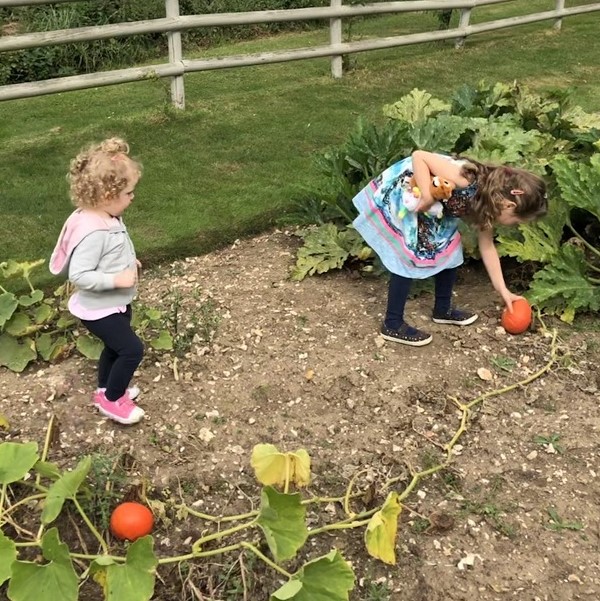
<li aria-level="1"><span style="font-family: 'Open Sans';">Find a sunny spot in your garden that receives at least six hours of direct sunlight each day. Ideally, the area should be sheltered from strong winds. </span></li>
<li aria-level="1"><span style="font-family: 'Open Sans';">Ensure the area has good drainage and is ea</span></li>
<li aria-level="1"><span style="font-family: 'Open Sans';">Clear the area of any weeds, rocks, or debris. Loosen the soil using a garden fork and remove any large clumps. </span></li>
<li aria-level="1"><span style="font-family: 'Open Sans';">Incorporate organic matter like compost or well-rotted manure to improve soil fertility and structure.</span></li>
<li aria-level="1"><span style="font-family: 'Open Sans';">Some vegetable seeds can be planted straight into the ground, others should be grown in small starter pots (like the biodegradable ones we provide), until the plant has an established root system. Plants grown in biodegradable pots can be planted directly into a vegetable patch without being removed from their pots. </span></li>
<li aria-level="1"><span style="font-family: 'Open Sans';">Water your plants regularly (at least every other day in dry spells) and keep the soil evenly moist. Look out for signs of pests and diseases and take appropriate measures to protect your plants.You should also regularly weed the patch to minimise competition for nutrients.</span></li>
</ol>
<p><span style="font-family: 'Open Sans';"><img src="https://static.subbly.me/fs/subbly/userFiles/green-springboard-ltd-64bd02dc0a928/uploaded-media/vegetable-patch-1705842150135.jpg" alt="" width="600" height="601" data-width="600" data-height="601"></img></span></p>
<p> </p>
<p><span style="text-decoration: underline;"><span style="font-family: 'Open Sans';">Raised beds</span></span></p>
<p> </p>
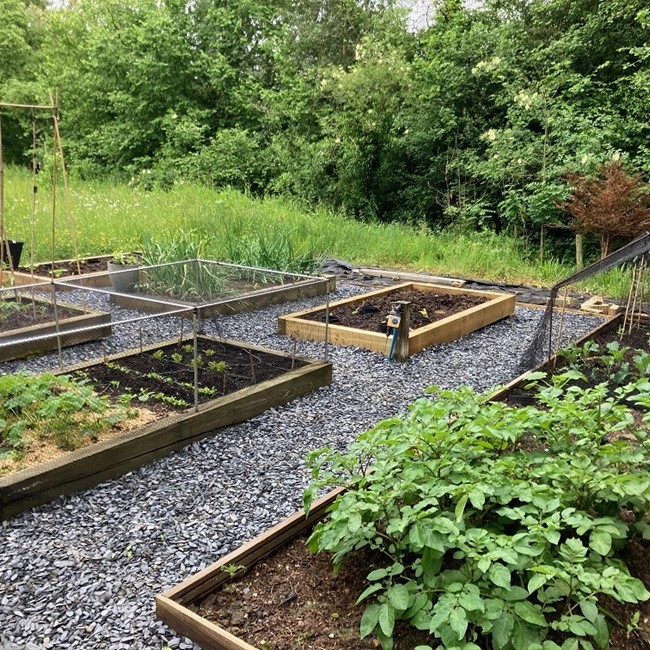
<p><span style="font-family: 'Open Sans';">A raised bed does the same job as a vegetable patch, but has a few additional advantages:</span></p>
<p> </p>
<ul>
<li aria-level="1"><span style="font-family: 'Open Sans';">Improved drainage: Raised beds offer better drainage, preventing waterlogging and allowing excess moisture to drain away efficiently.</span></li>
<li aria-level="1"><span style="font-family: 'Open Sans';">Enhanced soil quality: You have complete control over the soil composition in a raised bed, allowing you to create the ideal growing conditions for your plants.</span></li>
<li aria-level="1"><span style="font-family: 'Open Sans';">Reduced weed growth: Raised beds help minimise weed growth, making it easier to manage and maintain a weed-free garden.</span></li>
<li aria-level="1"><span style="font-family: 'Open Sans';">Better pest control: Raised beds can be equipped with protective barriers or netting to deter pests and keep them away from your plants.</span></li>
<li aria-level="1"><span style="font-family: 'Open Sans';">Extended growing season: The soil in raised beds warms up faster in spring, enabling earlier planting and extending the growing season.</span></li>
<li aria-level="1"><span style="font-family: 'Open Sans';">Easier maintenance: Raised beds provide easy access for planting, watering, and harvesting. They also reduce strain on your back and knees.</span></li>
</ul>
<p> </p>
<p><span style="font-family: 'Open Sans';">To construct your raised bed, follow steps 1 and 2 above, then the following steps:</span></p>
<ol>
<li aria-level="1"><span style="font-family: 'Open Sans';">Level the ground if needed. If placing the bed on grass, consider laying down a weed barrier to prevent grass from growing into the bed.</span></li>
<li aria-level="1"><span style="font-family: 'Open Sans';">Construct the Bed: Assemble the materials to create the frame of the raised bed. Secure the corners using screws, nails, or brackets. Ensure the bed is level and stable.</span></li>
<li aria-level="1"><span style="font-family: 'Open Sans';">Fill with soil: Fill the raised bed with a mixture of high-quality soil, compost, and other organic matter. This provides a fertile and well-draining growing medium for your plants.</span></li>
<li aria-level="1"><span style="font-family: 'Open Sans';">Plant your bed as per 5. above.</span></li>
</ol>
<p> </p>
<p><span style="font-family: 'Open Sans';"><img src="https://static.subbly.me/fs/subbly/userFiles/green-springboard-ltd-64bd02dc0a928/uploaded-media/raised-bed-17058421363763.jpg" alt="" width="650" height="650" data-width="650" data-height="650"></img>    </span></p>
<p> </p>
<p> </p>
<p> </p>
<p> </p>]]>
            </summary>
                            <link rel="enclosure" href="https://static.subbly.me/fs/subbly/userFiles/green-springboard-ltd-64bd02dc0a928/images/a-3-raised-bed-170584201571.jpg" length="243462" type="image/jpeg" />
                        <category term="Tips" />
            <updated>2024-01-20T18:34:54+00:00</updated>
                            <dc:description><![CDATA[Creating a vegetable patch or raised bed]]></dc:description>
                    </entry>
            <entry>
            <title><![CDATA[How and why to hand pollinate]]></title>
            <link rel="alternate" href="https://www.greenspringboard.com/blog/sustainability/how-and-why-to-hand-pollinate" />
            <id>https://www.greenspringboard.com/blog/sustainability/how-and-why-to-hand-pollinate</id>
            <author>
                <name><![CDATA[Pippa Capel]]></name>
                                    <email><![CDATA[info@greenspringboard.com]]></email>
                            </author>
            <summary type="html">
                <![CDATA[<p><span style="font-family: 'Open Sans';">If you grow in a greenhouse then you can miss out on nature's pollinator. But fear not! Hand pollination is here to save the day. In this article, we'll explore the why and how of hand pollination for your UK greenhouse vegetables, providing tips to maximize your harvest.</span></p>
<p> </p>
<p><span style="font-family: 'Open Sans';">Why Hand Pollination?</span></p>
<p> </p>
<p><span style="font-family: 'Open Sans';">Greenhouses can keep out essential pollinators like bees and insects. That's where hand pollination comes in:</span></p>
<ol>
<li>
<p><span style="font-family: 'Open Sans';">No Natural Pollinators: Greenhouses provide a controlled environment but lack buzzing bees and fluttering butterflies. Hand pollination fills this void by manually transferring pollen from male to female flowers, ensuring successful fertilization.</span></p>
</li>
<li>
<p><span style="font-family: 'Open Sans';">Bumper Crop Boost: Taking matters into your own hands guarantees that each flower is pollinated. This leads to higher yields, minimizing the risk of misshapen or unproductive fruits.</span></p>
</li>
<li>
<p><span style="font-family: 'Open Sans';">Tailored Cross-Pollination: Hand pollination allows you to create custom hybrids by selectively transferring pollen. You can develop disease-resistant, flavorful, or larger veggies, fostering genetic diversity and stronger plants.</span></p>
</li>
</ol>
<p><span style="font-family: 'Open Sans';">Hand Pollination Techniques</span></p>
<ol>
<li>
<p><span style="font-family: 'Open Sans';">Know Your Flowers: Understand the anatomy of your vegetable flowers, differentiating between male and female blooms. Male flowers have slender stalks, while female flowers have small fruit swelling at the base.</span></p>
</li>
<li>
<p><span style="font-family: 'Open Sans';">Spot the Difference: Keep an eye out for male and female flowers. Females tend to develop closer to the main stem, while males cluster at the tips of branches.</span></p>
</li>
<li>
<p><span style="font-family: 'Open Sans';">Gather Pollen: Gently tap or shake the stamen of the male flower to collect pollen on a dry brush or Q-tip. Be careful not to damage the flower or remove excessive pollen.</span></p>
</li>
<li>
<p><span style="font-family: 'Open Sans';">Pollination Process: Transfer the collected pollen to the stigma of the female flower, ensuring contact. Repeat the process for each female flower. Mornings are ideal for pollination when flowers are fresh and receptive.</span></p>
</li>
<li>
<p><span style="font-family: 'Open Sans';">Keep It Exclusive: Prevent accidental cross-pollination by isolating different varieties. Use mesh bags or hand-pollination cages to cover individual plants or branches, maintaining genetic integrity.</span></p>
</li>
</ol>
<p><span style="font-family: 'Open Sans';">Hand pollination is a game-changer for greenhouse vegetable growers in the UK. By manually transferring pollen, you compensate for the absence of natural pollinators, boosting yields and ensuring productive fruits. Additionally, you have the power to shape the future by selectively cross-pollinating plants and developing desirable traits. With practice, hand pollination becomes an essential part of your greenhouse gardening routine, resulting in abundant harvests of homegrown vegetables year-round. Embrace this technique and unleash the full potential of your green thumbs!</span></p>
<p> </p>
<p> </p>]]>
            </summary>
                            <link rel="enclosure" href="https://static.subbly.me/fs/subbly/userFiles/green-springboard-ltd-64bd02dc0a928/images/a-1-hand-pollination-17063853491229.png" length="577550" type="image/png" />
                        <category term="Sustainability" />
            <updated>2024-01-20T13:05:39+00:00</updated>
                    </entry>
            <entry>
            <title><![CDATA[Coir compost and greener gardening]]></title>
            <link rel="alternate" href="https://www.greenspringboard.com/blog/sustainability/coir-compost-and-greener-gardening-1" />
            <id>https://www.greenspringboard.com/blog/sustainability/coir-compost-and-greener-gardening-1</id>
            <author>
                <name><![CDATA[Pippa Capel]]></name>
                                    <email><![CDATA[info@greenspringboard.com]]></email>
                            </author>
            <summary type="html">
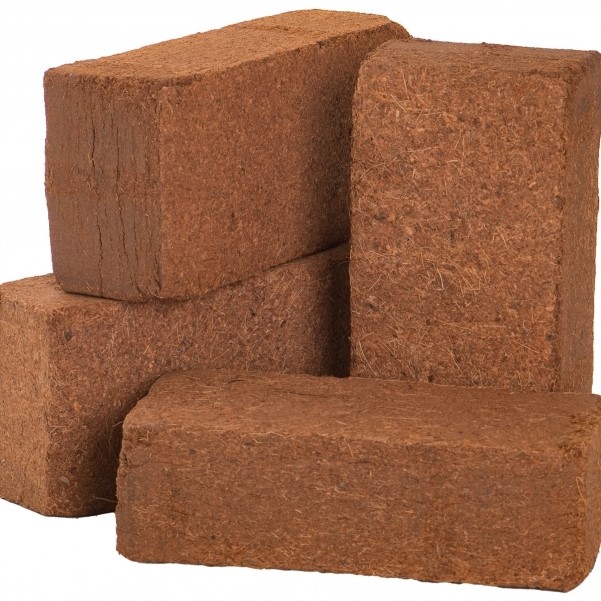
                <![CDATA[<p style="font-size: 14px;"><span style="font-size: 14px; font-family: 'Open Sans';">Our kits contain coir compost, a more eco-friendly alternative to peat compost. But what is Coir and why is it such a great option when it comes to compost?</span></p>
<p> </p>
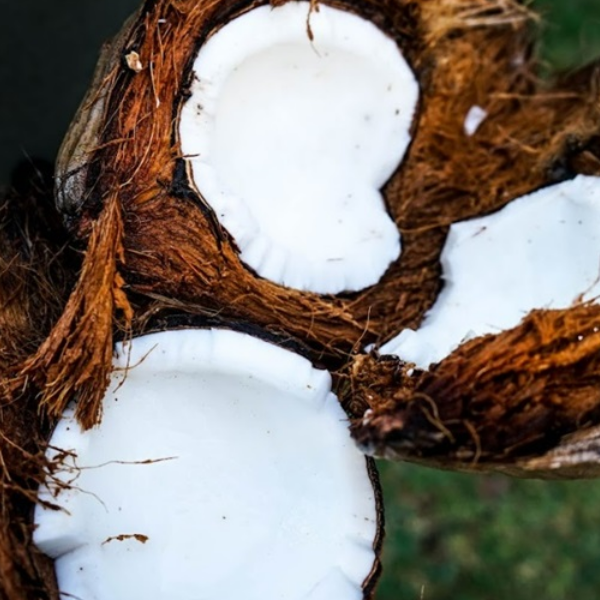
<p><span style="font-size: 14px; font-family: 'Open Sans';"><strong>1. Reusing Waste, Growing Smarter</strong></span><br><span style="font-size: 14px; font-family: 'Open Sans';">Coir compost, made from coconut husks, turns waste into a resource. Instead of discarding husks, they're transformed into a soil alternative, reducing waste and tapping into a renewable material.</span></p>
<p><span style="font-family: 'Open Sans';"><strong> </strong></span></p>
<p><span style="font-family: 'Open Sans';"><strong><span style="font-size: 14px;">2. Saving Water, Growing Healthier</span></strong></span><br><span style="font-size: 14px; font-family: 'Open Sans';">Coir's excellent water retention means less watering. It keeps plants hydrated and healthy while conserving water—a big win for the environment.</span></p>
<p> </p>
<p><strong><span style="font-size: 14px; font-family: 'Open Sans';">3. Natural Nutrients, Fewer Chemicals</span></strong><br><span style="font-size: 14px; font-family: 'Open Sans';">Coir compost is pH-neutral and packed with nutrients, reducing the need for chemical fertilizers. This minimizes chemical runoff, benefiting ecosystems.</span></p>
<p> </p>
<p><strong><span style="font-size: 14px; font-family: 'Open Sans';">4. Breaks Down, Builds Soil</span></strong><br><span style="font-size: 14px; font-family: 'Open Sans';">As coir compost breaks down, it enriches the soil with organic matter, promoting long-term soil health without leaving harmful residues.</span></p>
<p> </p>
<p><strong><span style="font-size: 14px; font-family: 'Open Sans';">5. Gardening for Tomorrow</span></strong><br><span style="font-size: 14px; font-family: 'Open Sans';">Choosing coir compost isn't just about gardening; it's a green commitment. It shows how we can grow food while being kinder to the planet.</span></p>
<p><br><span style="font-size: 14px; font-family: 'Open Sans';">Photo by Jonas Dücker on Unsplash</span></p>
<p> </p>
<p><span style="font-size: 14px;"><img src="https://static.subbly.me/fs/subbly/userFiles/green-springboard-ltd-64bd02dc0a928/uploaded-media/coconut-husk-17058415068368.png" alt="" width="600" height="600" data-width="600" data-height="600"></img>            <img src="https://static.subbly.me/fs/subbly/userFiles/green-springboard-ltd-64bd02dc0a928/uploaded-media/coir-block-17058415200244.jpg" alt="" width="601" height="601" data-width="601" data-height="601"></img></span></p>
<p> </p>
<p> </p>
<p> </p>]]>
            </summary>
                            <link rel="enclosure" href="https://static.subbly.me/fs/subbly/userFiles/green-springboard-ltd-64bd02dc0a928/images/a-5-coconut-husk-17058413794313.png" length="489773" type="image/png" />
                        <category term="Sustainability" />
            <updated>2023-12-31T13:23:11+00:00</updated>
                    </entry>
    </feed>